Free Trade
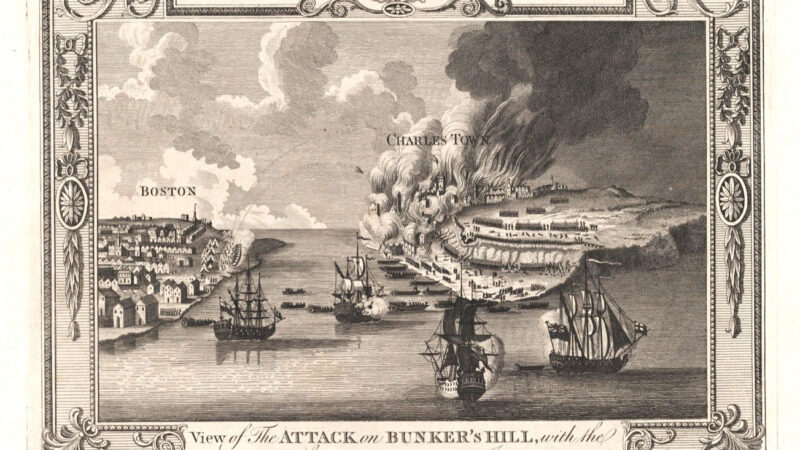
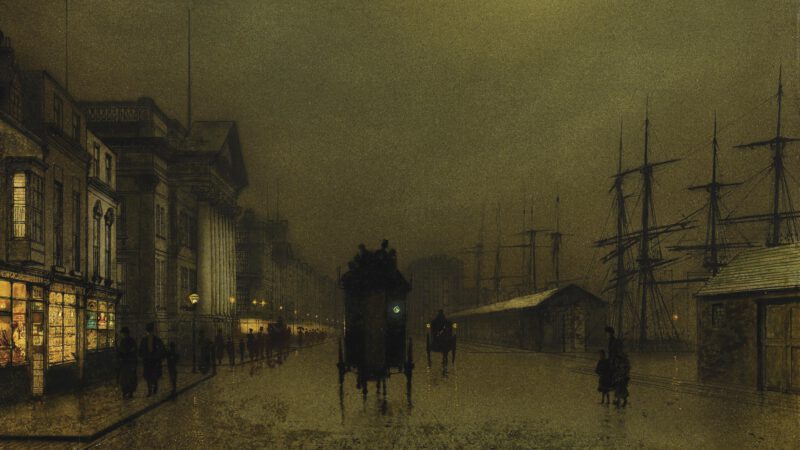
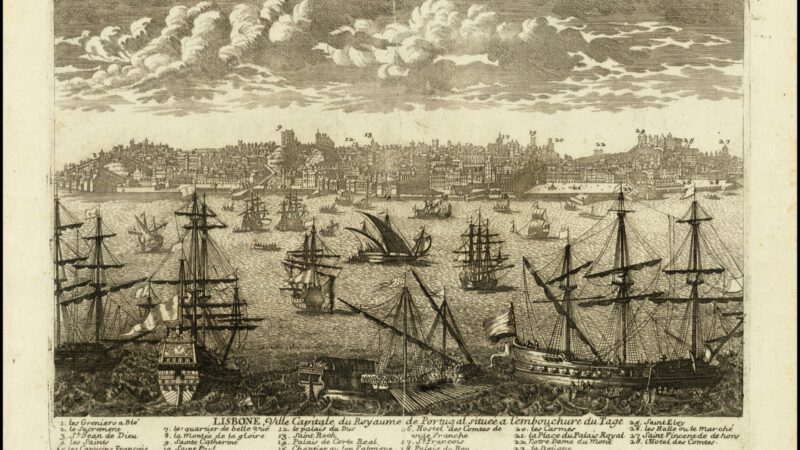
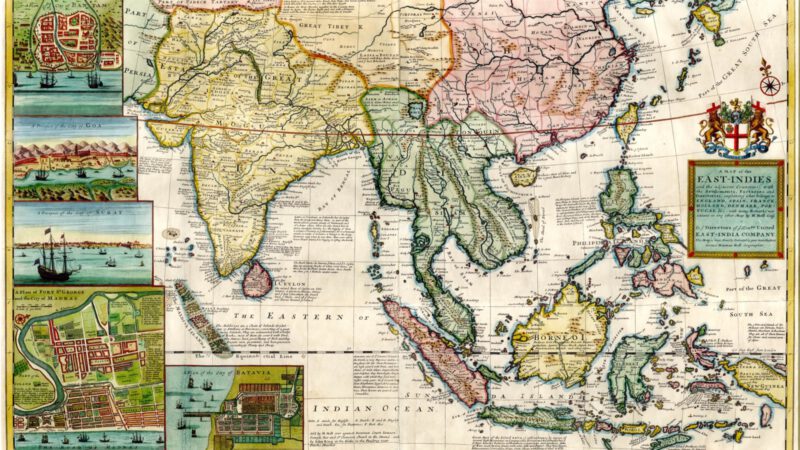
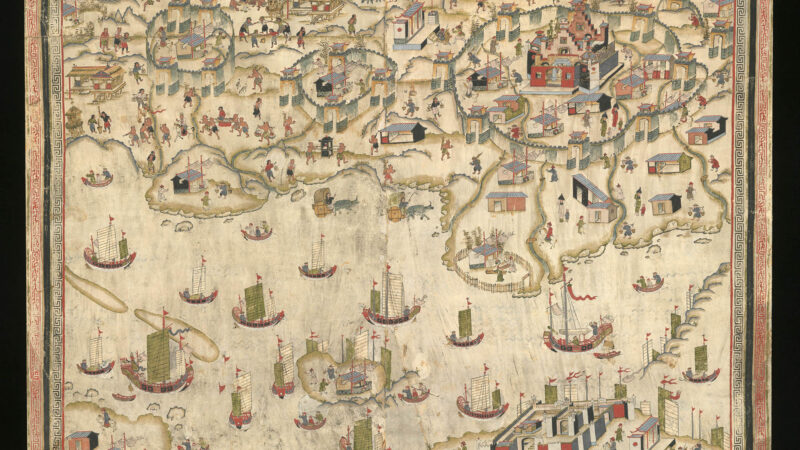
In 1776, the world was more connected than it had ever been — and more unequal. European ships had spent three centuries weaving together trade routes that encircled the globe, linking the tobacco plantations of Virginia to the counting houses of Glasgow, the sugar refineries of Jamaica to the coffee houses of Amsterdam, the spice islands of Indonesia to the warehouses of London. The result was the first truly global economy, and it produced extraordinary wealth. It also produced extraordinary suffering.
Learn more
- Adam Smith: His continuing relevance for contemporary management thought, Maha Rafi Atal, Kathleen Riach, Craig Smith and Robert McMaster
- Adam Smith’s America: How a Scottish Philosopher Became an Icon of American Capitalism, Glory M. Liu
- The Scottish Enlightenment the challenges of commercial society: Adam Smith’s Wealth of Nations, Craig Smith
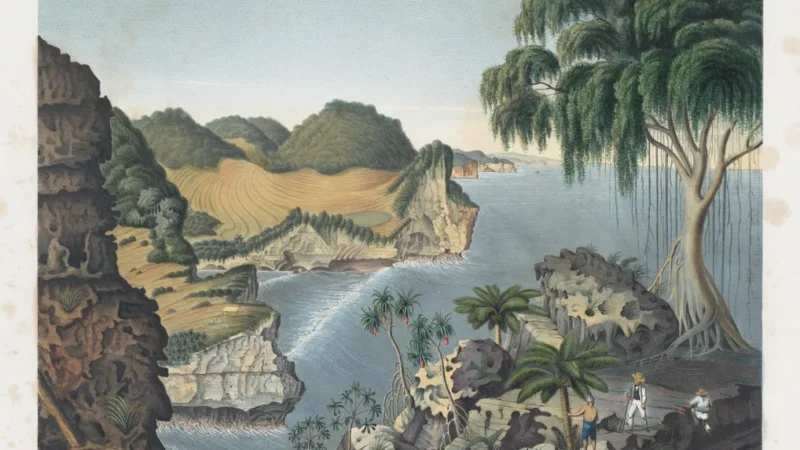
Rum tells the story in miniature. Sugar cane, originally from New Guinea and cultivated across South and East Asia, was planted in the Caribbean by European colonists and farmed by enslaved Africans. Molasses, a by-product of sugar refining, was fermented and distilled into rum in the colonies, aged in barrels of North American oak, then shipped back to Europe — where it was sold in shops, taverns, and the very slave-trading ports that had supplied the labour that made it. A single bottle of rum in a Glasgow tavern in 1776 contained within it the entire history of the age: the forced migration of millions, the destruction of indigenous economies, and the extraordinary organisational power of European merchant capital.
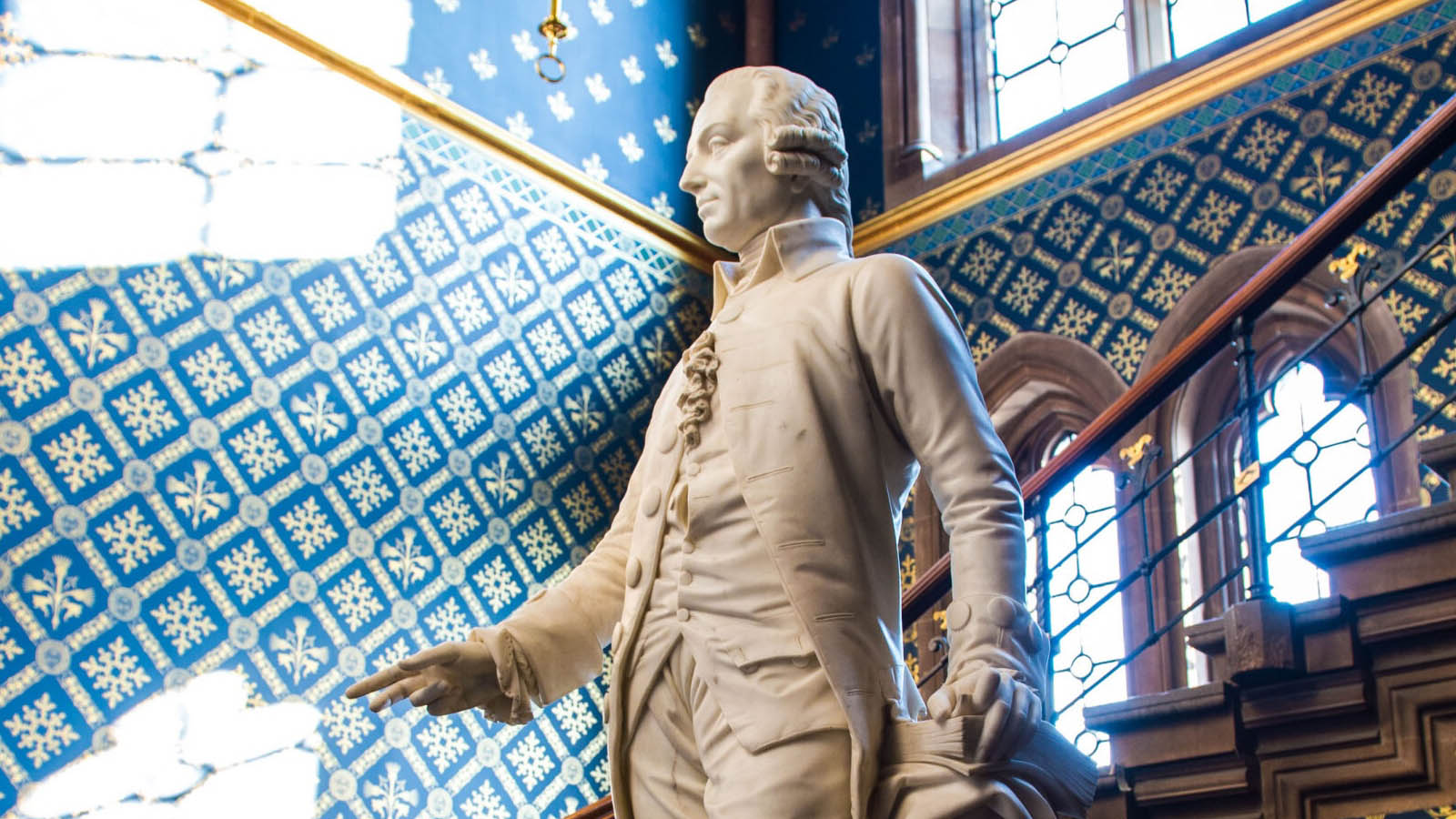
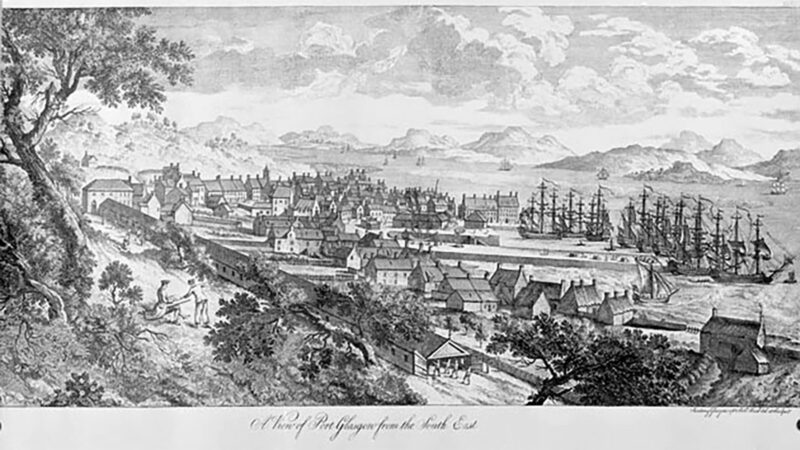
Adam Smith understood both the potential and the perversity of these trading networks. In The Wealth of Nations, published in London on 9 March 1776, he argued that commerce, when freely conducted, was one of the most powerful forces for human improvement ever discovered. He was writing in a city that had grown rich on exactly this commerce — Glasgow’s tobacco lords, whose mansions still line the Merchant City, had made their fortunes by monopolising the re-export of Chesapeake tobacco to continental Europe. Smith knew them personally: he was reputedly friends with Andrew Cochrane, one of the most powerful tobacco merchants in the city, whose Political Economy Club reportedly fed Smith much of the commercial evidence and ideas that shaped The Wealth of Nations.
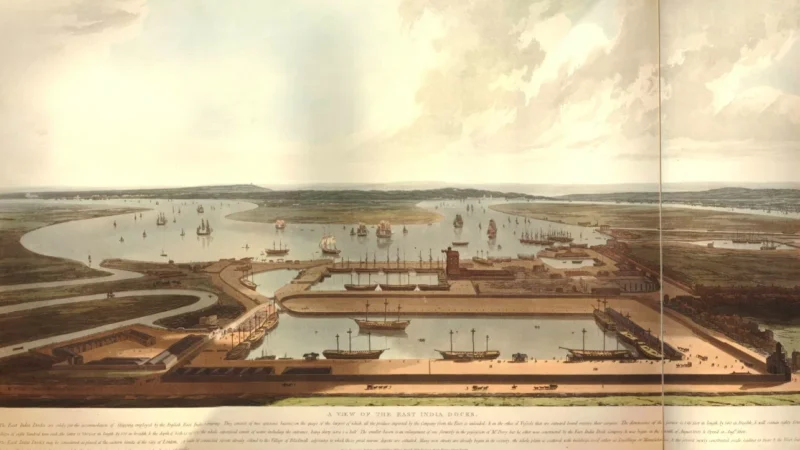
But Smith’s celebration of trade came with a devastating critique of how it was actually organised. The mercantilist system — which directed all colonial commerce through British ports, banned Ireland from trading with Europe, and gave chartered corporations monopolies over entire oceans — was not free trade, Smith argued. It was a system designed by merchants to protect their own profits at the expense of the wider economy. “People of the same trade seldom meet together, even for merriment and diversion,” he wrote, “but the conversation ends in a conspiracy against the public, or in some contrivance to raise prices.” Free trade was not the system that existed in 1776. It was the system Smith was arguing, against powerful opposition, should exist instead.
For Scotland especially, Smith saw transformative potential in a genuinely open global economy. Scotland’s union with England in 1707 had given Scottish merchants access to colonial markets; Smith believed that access, extended and freed from monopoly distortion, could underpin a prosperity that benefited not just the merchant class but the wider population. The world of 1776 was a beginning, not an endpoint — a demonstration of what commerce could achieve, and a warning about what it cost when organised in the interests of the few.
Video: Craig Smith explaining the basic economic arguments of Wealth of Nations with animation.