Slavery & Empire
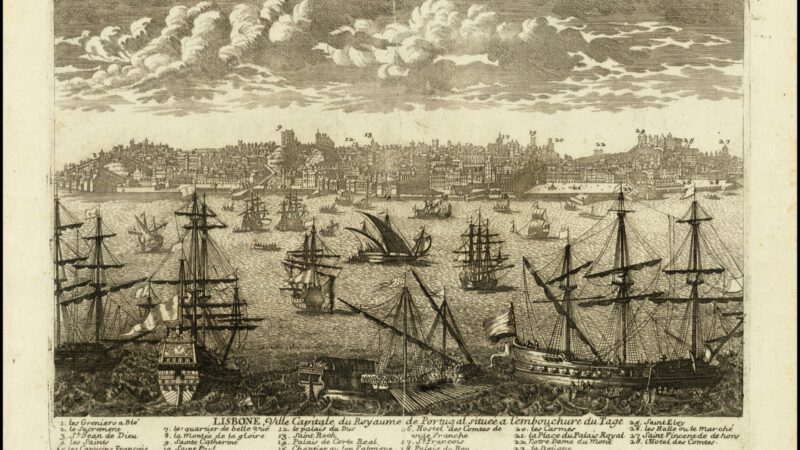
In 1776, roughly 100,000 enslaved Africans crossed the Atlantic on European ships. Over the entire history of the transatlantic slave trade, approximately 12.5 million people were transported in this way, and at least two million died on the crossing. Slavery was not a marginal feature of the eighteenth-century global economy. It was the foundation on which its greatest fortunes were built.
Learn more
- The Psychic Lives of Statues: Reckoning with the Rubble of Empire, Rahul Rao
- It Wisnae Us: The truth about Glasgow and slavery
- When Companies Rule: Corporate Power from the East India Company to Silicon Valley, Maha Rafi Atal
- How Glasgow Flourished
- The Cultural Memory of Georgian Glasgow, Craig Lamont
- Slavery, Abolition and the University of Glasgow [PDF] – report and recommendations of the University of Glasgow History of Slavery Steering Committee, Dr. Stephen Mullen and Prof. Simon Newman, September 2018
- Glasgow, Slavery and Atlantic Commerce: An Audit of Historic Connections and Modern Legacies [PDF], Stephen Mullen, March 2022
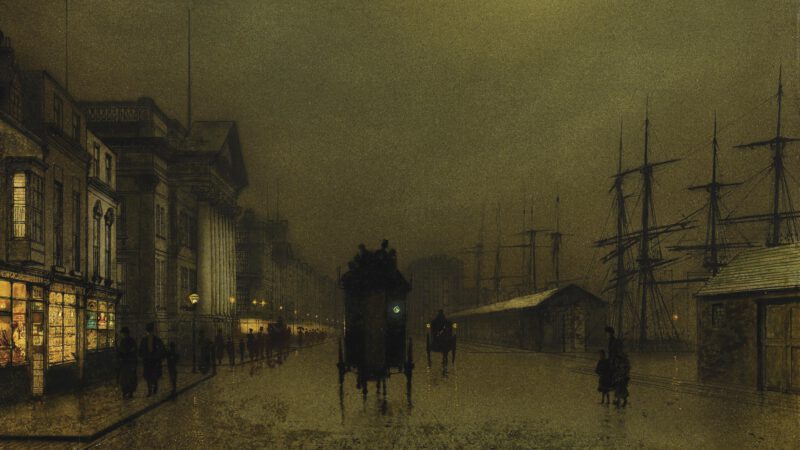
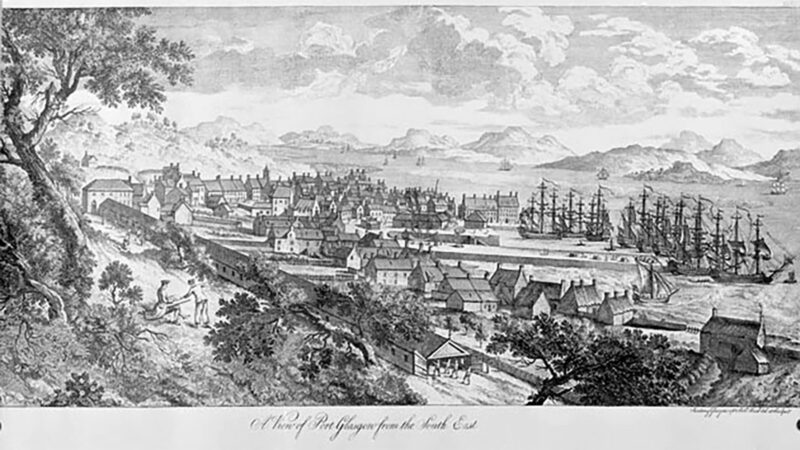
Glasgow knew this better than most. The city’s tobacco lords, whose wealth made it one of the most prosperous cities in Britain, held a monopoly on tobacco grown by enslaved people in the Chesapeake. When the American Revolutionary War ended that monopoly, Glasgow’s merchants simply pivoted: the city’s subsequent “golden age of sugar” (c.1790–1834) was built on slave-grown Caribbean sugar and cotton, the profits of which directly underwrote Scotland’s Industrial Revolution. Smith walked past the counting houses of these men every day. He knew their names, attended their clubs, and in The Wealth of Nations he systematically dismantled the economic logic they used to justify their dominance.
Smith’s critique of slavery was both moral and economic. He argued that enslaved labour was less productive than free labour — that the self-interest which drove economic efficiency required that workers benefit from their own efforts, what he called “the liberal reward of labour.” Only free workers earn income they can spend, save, and reinvest in the economy in ways that generate broader prosperity. Slavery, in Smith’s analysis, persisted not because it was economically rational but because it served the desire of enslavers for power and dominance: “the pride of man makes him love to domineer.” (WN III.2) His argument anticipated the abolitionist movement that would coalesce in Britain in the following decade.
But opposition to slavery was already stirring in 1776. In Scotland, legal challenges to the institution were underway: the Knight v. Wedderburn case, decided in Edinburgh in 1778, established that Scots law did not recognise slavery — that a man who had been enslaved in Jamaica could not be compelled to return to his enslaver’s service on Scottish soil. The case drew on natural rights arguments that Smith’s own work had helped to circulate. In the American colonies, Quaker and Methodist communities were publishing anti-slavery pamphlets. The Somerset case in England in 1772 had already established that enslaved people could not be forcibly removed from England. The ideas that would eventually end the legal slave trade in 1807 were circulating in 1776 — on the same ships and through the same networks that carried enslaved people across the Atlantic.
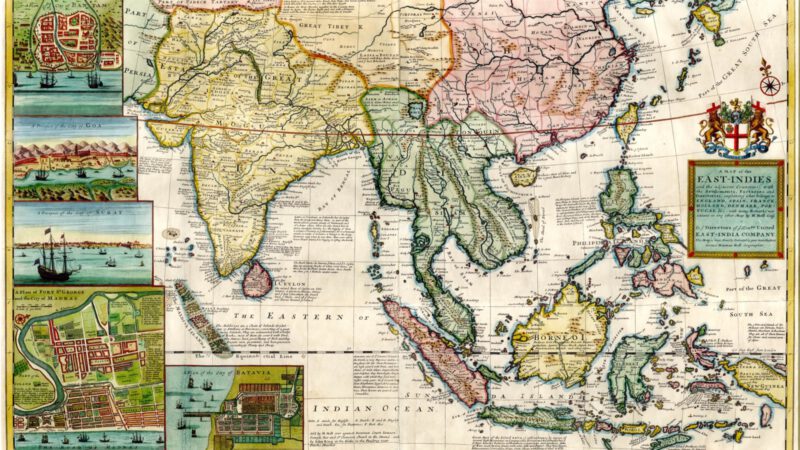
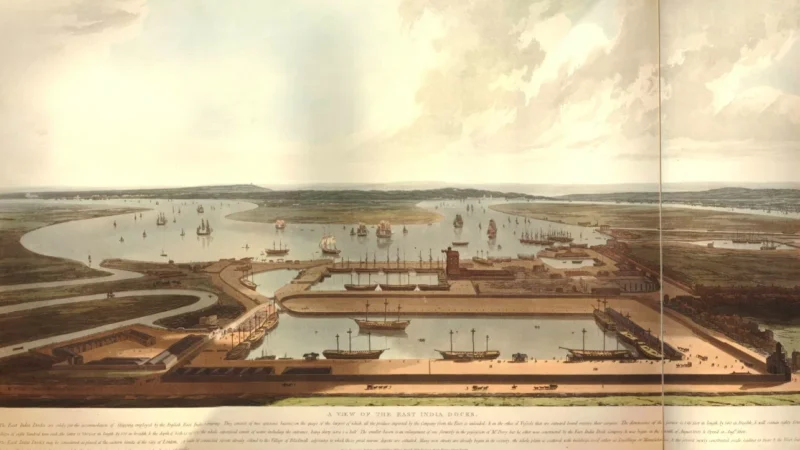
Smith’s sharpest passages are about the East India Company, whose conquest of Bengal he saw as the definitive example of corporate empire at its worst: a monopoly so absolute it contributed to famine in one of the most fertile regions on earth. “A company of merchants,” he concluded, “is incapable of considering themselves as sovereigns, even after they have become such.” (WN IV.7) The empire of 1776 was producing staggering wealth. It was also producing the arguments that would eventually, slowly, begin to dismantle it.
Video: Watch Dr Stephen Mullen explain Glasgow’s connections to the slave trade and slavery:
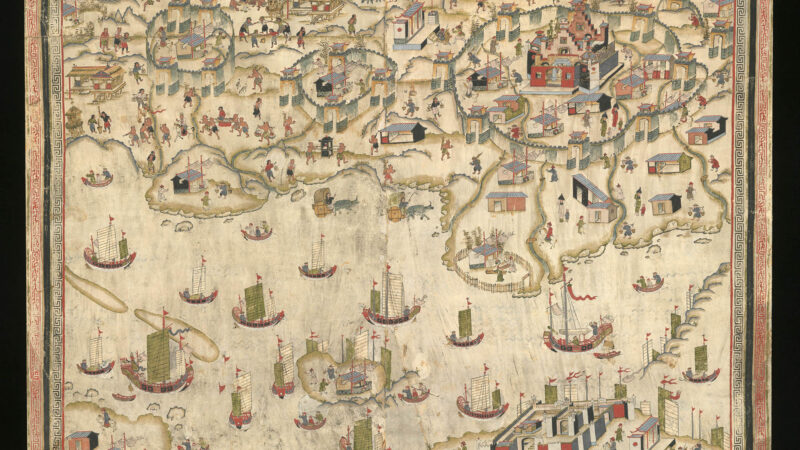
Watch Dr Andrew Mackillop discuss the British Empire in Asia and the role of Scotland within it: